
Menu
Miami Gardens: Signs You Need Concrete Foundation Repair
Concrete Foundation Repair Miami Gardens
Your home’s foundation provides essential structural support that keeps walls vertical, floors level, and doors operating properly. When problems develop, they rarely improve on their own and typically worsen over time, potentially causing extensive damage and compromising safety. Recognizing warning signs early allows homeowners to address issues promptly before minor problems escalate into costly major repairs. Miami Gardens properties face specific challenges, including sandy soils, high water tables, heavy seasonal rainfall, and occasional severe weather that can stress foundations and create conditions requiring professional concrete foundation repair. Understanding what indicators demand immediate evaluation protects your investment and prevents situations that threaten structural integrity.
Wall Cracks and Structural Separations
Every homeowner wants to know if their home has a failing foundation. A failing foundation is a sign that something is wrong with the structure of your home, and you are at risk of having costly repairs. The first step to knowing if your home has a failing foundation is to understand what common symptoms of a failing foundation look like. Below are several common symptoms of a failing foundation:
Cracking of Interior Walls
Horizontal and vertical cracks in the interior walls of your home can be an indication of a failing foundation. These cracks may occur at the corners of a room, along baseboards, or at the top of walls. These cracks can be the result of settling, poor construction practices, and/or poor soil conditions.
Cracking of Exterior Walls
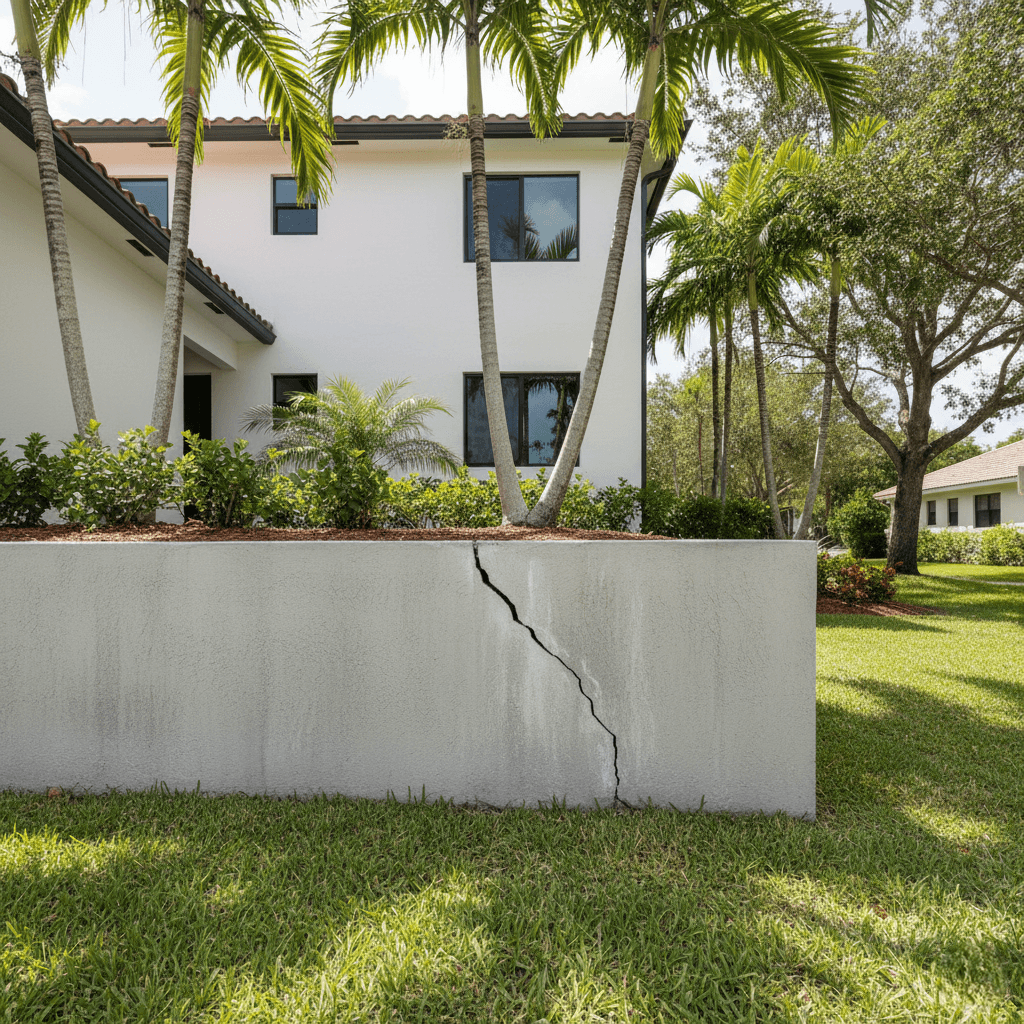
A failing foundation can also produce cracks in the exterior walls of your home. These cracks can be horizontal or vertical, and can occur in the form of hairline cracks or wide cracks, depending on the extent of the damage. In addition to cracks, failing exterior walls can also display bowing, leaning, or bulging. These types of wall movements are indicative of a failing foundation.
Wall Separation
In addition to cracking, a failing foundation can also cause separation of walls from the foundation. When this type of separation occurs, it can be difficult to close doors and windows. It can also cause a variety of other problems, such as uneven floors, uneven doors and windows, and uneven ceilings. Wall separation can be caused by a variety of factors, but it is most commonly caused by a failing foundation.
Flooding
Flooding of a basement or crawlspace can be an indication of a failing foundation. Flooding can occur due to several different factors, including heavy rain, poor drainage, and clogged gutters and downspouts. If you notice flooding in your basement or crawlspace, contact a professional immediately to determine the source of the flooding and to begin repairing the damage.
Settling and Uneven Floors
Settling and uneven floors are two very common symptoms of a failing foundation. Settling occurs when a section of the home settles into the ground faster than the rest of the home, causing uneven floors and walls. Uneven floors can be uncomfortable and can cause a variety of other problems, such as uneven doors and windows.
Creaking and Groaning
Creaking and groaning sounds coming from the walls and floors of your home can be an indication of a failing foundation. These sounds are usually caused by settling and movement of the home’s foundation.
Leaks
Leaks in the walls and ceiling of your home can be an indication of a failing foundation. Leaks can occur due to a variety of factors, including heavy rain, poor construction practices, and poor maintenance of the home. Leaks can cause a variety of problems, including damage to walls and ceilings, damage to furniture and personal belongings, and damage to the overall value of the home.
Visible Signs of Moisture
Visible signs of moisture in your home can be an indication of a failing foundation. Visible signs of moisture include black spots or stains, mold and mildew, and musty smells. Visible signs of moisture can be caused by a variety of factors, including heavy rain, poor ventilation, and poor construction practices.
Doors and Windows That Stick
Doors and windows that stick can be an indication of a failing foundation. Sticking doors and windows can be caused by a variety of factors, including settling and movement of the home’s foundation. Sticking doors and windows can cause a variety of problems, including difficulty entering and exiting the home, and difficulty keeping the home clean and free of dust and debris.
Uneven Roof Lines
Roof lines that are uneven can be an indication of a failing foundation. An uneven roof line can cause a variety of problems, including leaks, damage to walls and ceilings, and damage to the overall value of the home. An uneven roof line can be caused by a variety of factors, including settling and movement of the home’s foundation.
Why is Timely Repair Important?
Repairing a failing foundation is important for a variety of reasons. One reason is that a failing foundation can lead to a variety of problems, including damage to walls and ceilings, damage to furniture and personal belongings, and damage to the overall value of the home. Another reason is that a failing foundation can lead to a variety of safety hazards, including structural instability, mold and mildew growth, and electrical shock. Finally, repairing a failing foundation can save money and time in the long run. A failing foundation will continue to get worse unless repaired, so the longer you wait, the more expensive and time-consuming it will be to fix the problem. Contact us today to learn more about our services and to schedule an appointment. We have been serving the Fort Lauderdale area for years and have the knowledge and experience to repair your failing foundation.
How Can I Find a Reliable Contractor?
Finding a reliable contractor is easier said than done, especially when it comes to repairing a failing foundation. Many contractors in the Fort Lauderdale area claim to specialize in foundation repair, but few of them actually do. Here are a few tips to help you find a reliable contractor:
- Get Referrals: Ask friends, family members, and neighbors for referrals. They can tell you firsthand about the quality of work and reliability of the contractor.
- Check Online Reviews: Check online reviews to see what previous customers say about the contractor. Look for contractors who have received high ratings and few negative comments.
- Verify Licenses and Insurance: Verify that the contractor is licensed and insured. Unlicensed contractors may not have the proper training or equipment to perform the job safely and correctly.
- Get Estimates: Get estimates from multiple contractors. Compare the prices and services offered to ensure that you get the best deal possible.
- Don’t Be Afraid to Ask Questions: Don’t be afraid to ask questions about the process and cost of the repair. A reputable contractor will answer your questions honestly and clearly.
Common Causes of a Failing Foundation
There are a variety of causes for a failing foundation, but here are a few of the most common ones:
- Poor Construction Practices: Poor construction practices can contribute to a failing foundation. Some examples include using weak or damaged materials, not properly supporting the weight of the home, and not providing adequate drainage.
- Poor Maintenance of the Home: Poor maintenance of the home can also contribute to a failing foundation. Examples include neglecting to repair cracks and holes in the foundation, not cleaning the gutters and downspouts, and not inspecting the foundation regularly.
- Heavy Rainfall: Heavy rainfall can contribute to a failing foundation. Heavy rain can cause the soil beneath the home to expand and contract rapidly, putting pressure on the foundation and leading to cracks and damage.
- Poor Drainage: Poor drainage can contribute to a failing foundation. Poor drainage allows water to collect around the home, which can put pressure on the foundation and lead to cracks and damage.
- Soil Conditions: Soil conditions can also contribute to a failing foundation. Some soils are naturally unstable or prone to erosion, which can put pressure on the foundation and lead to cracks and damage.
Signs of a Failing Foundation
Here are a few signs of a failing foundation:
- Walls Bowing Outward: Walls that are bowing outward can be a sign of a failing foundation. This happens when the walls of the home are being pushed outward by the pressure of the soil beneath.
- Walls Buckling: Walls that are buckling inward can also be a sign of a failing foundation. This happens when the walls of the home are being pushed inward by the pressure of the soil beneath.
- Floors Sagging: Floors that are sagging can also be a sign of a failing foundation. This happens when the soil beneath the home is expanding and contracting rapidly, causing the foundation to shift and the floors to sag.
- Walls Pulling Away from Each Other: Walls that are pulling away from each other can also be a sign of a failing foundation. This happens when the soil beneath the home is losing its strength and is unable to hold the walls together.
- Ceilings Dropping: Ceilings that are dropping can also be a sign of a failing foundation. This happens when the soil beneath the home is expanding and contracting rapidly, causing the foundation to shift and the ceilings to drop.
- Walls Rotting: Walls that are rotting can also be a sign of a failing foundation. This happens when the soil beneath the home is too wet, and is causing the walls to rot.
What Should I Do First?
If you think that your home may have a failing foundation, here are a few things that you should do first:
- Call a Foundation Repair Company: First, call a foundation repair company to come and take a look at your home. They will be able to give you an idea of whether or not you have a failing foundation and how much it will cost to repair it.
- Get a Second Opinion: It would also be a good idea to get a second opinion from another foundation repair company. This way, you will have a better understanding of the situation and will be able to compare prices and services.
- Document Everything: Finally, document everything. Take pictures of the cracks and damage to your home. Keep track of when you called the foundation repair companies and what they told you. This will be helpful in case you need to file a lawsuit or seek compensation for the damage.
Conclusion
A failing foundation can be a serious problem for a homeowner. It can cause a variety of problems, including cracks in walls and floors, uneven floors, and damage to the home’s value. If you suspect that your home has a failing foundation, call a foundation repair company to take a look, get a second opinion, and document all findings. Don’t delay; a failing foundation will only get worse the longer you wait. Contact us today to schedule an appointment and get started on repairing your failing foundation.
Miami Gardens Concrete Pros provides comprehensive foundation evaluations and professional concrete foundation repair services addressing the full spectrum of issues affecting local homes, from minor crack repairs through complex structural stabilization projects requiring specialized techniques and equipment suited to South Florida’s unique conditions and construction methods.
LATEST POSTS