
Menu
Miami Gardens Guide to Concrete Resurfacing
Concrete Resurfacing Miami Gardens
Concrete surfaces throughout Miami Gardens face constant challenges from heavy use, intense sun exposure, frequent rainfall, and the passage of time. Driveways, patios, walkways, and pool decks that once looked pristine gradually develop surface wear, minor cracks, discoloration, and texture deterioration. Rather than undertaking expensive and disruptive complete replacement, homeowners increasingly turn to resurfacing as a practical solution that restores appearance and extends service life. Understanding this process and recognizing its advantages helps property owners make informed decisions about maintaining and enhancing their concrete surfaces while managing costs effectively.
Understanding Concrete Resurfacing
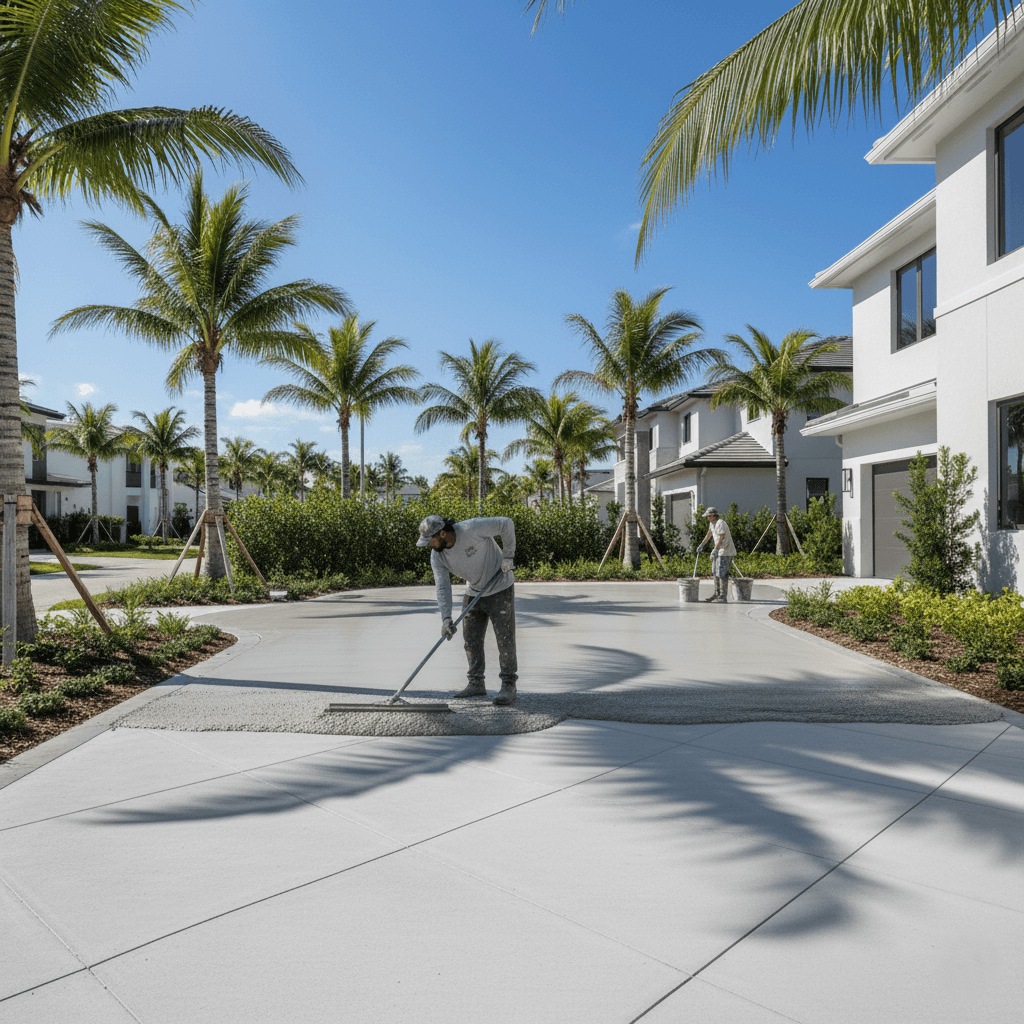
Resurfacing is a method of applying a specially formulated overlay material to an existing surface of concrete. When properly applied, it will produce a new surface that completely hides minor defects in the original surface, restores the original uniform appearance, and protects the surface from additional wear and tear due to weather conditions.
Typical resurfacing overlays range from 1/8″ to 1/4″ (1.6 mm to 6.35 mm) in thickness and form a chemical and mechanical bond to the existing surface. Advanced resurfacing products, such as those utilizing polymer-modified portland cement, have been engineered to provide improved durability and resistance to cracking and weathering when compared to traditional concrete repair methods. These developments have allowed for the creation of technologically advanced resurfacing materials that produce dependable and long-lasting results in the harsh environment of South Florida.
When Resurfacing Makes Sense
Resurfacing works best on structurally sound concrete that has minor cosmetic or surface-related problems. Typically, this includes:
- Minor cracking of less than 1/4 inch (6.35 mm) in width.
- Surface spalling or pitting.
- Discoloration caused by aging or staining.
- Rough or irregular texture.
- Faded appearance.
The underlying concrete must be structurally sound; no signs of significant settlement, heaving, or structural damage should exist. If the surface is experiencing active movement or if there are deep structural cracks greater than 2 inches (50.8 mm) in length, then a different type of repair or replacement may be necessary.
Step-by-Step Process for Resurfacing
Each phase of the resurfacing process must be performed meticulously in order to obtain optimal adhesion, appearance, and durability. Shortcuts or improper techniques can result in poor quality and wasted money. Experienced contractors follow established procedures to ensure quality adhesion, uniform appearance, and prolonged durability. The process of resurfacing starts with thorough surface evaluation and preparation, followed by the correct application of the overlay material, and concludes with proper curing and finishing.
Evaluation and Preparation of the Surface
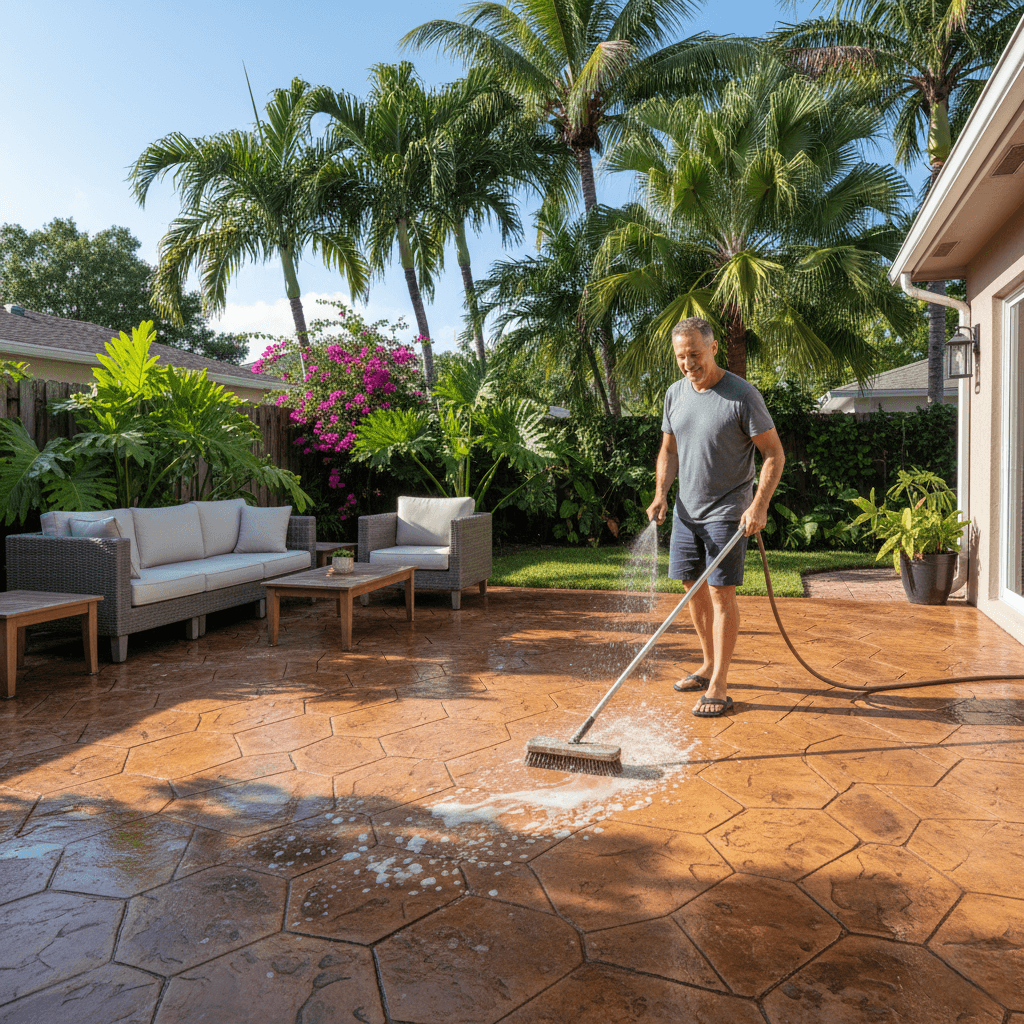
Preparation of the surface is the most important step in determining the success of your resurfacing project. The first step is to thoroughly clean the surface with a pressure washer capable of producing a minimum of 3500 psi. The goal of the cleaning is to remove all dirt, debris, oil stains, old sealers, loose particles of concrete, and other contaminants that could interfere with the adhesion of the overlay material to the existing surface. Properties located near Hard Rock Stadium, or throughout the Carol City area, may have surface contamination that may require specialized cleaning agents to remove difficult-to-clean stains.
Once the surface has been cleaned, the contractor will repair any existing damage. All cracks greater than hairline size will be filled with a suitable patching compound. All high spots will be ground down, and low spots will be filled to create a smooth surface. All control joints will be cleaned and prepared to accept the overlay material. A few applications require mechanical surface profiling using grinders or scarifiers to create texture that improves the mechanical bonding between the old concrete and new overlay.
Mixing and Applying Overlay Material
The overlay material arrives as dry powder and must be mixed with water in accordance with the manufacturer’s specifications. The material must be mixed correctly, as the wrong consistency can affect the workability and ultimate performance of the finished product. If too much water is used in the mixture, the overlay will become too weak and subject to excessive shrinkage. On the other hand, if insufficient water is used, the material will be too stiff to properly apply and consolidate.
Contractors usually mix the material in small batches to keep the material workable until it sets, which is usually in 20 to 30 minutes, depending on the ambient temperature. Before placing the overlay material, the contractor will lightly spray the prepared surface to the point of saturation so that the porous surface of the concrete does not absorb water from the overlay too quickly and cause problems with curing and bonding. The application of the overlay is systematic, using a squeegee or specialized trowels to spread the material evenly and consistently across the surface. The contractor will attempt to maintain a consistent thickness of the overlay material, eliminate any air pockets, and ensure complete coverage of the surface. For large areas, multiple pours may be necessary to control quality before the material hardens.
Finishing Techniques and Options
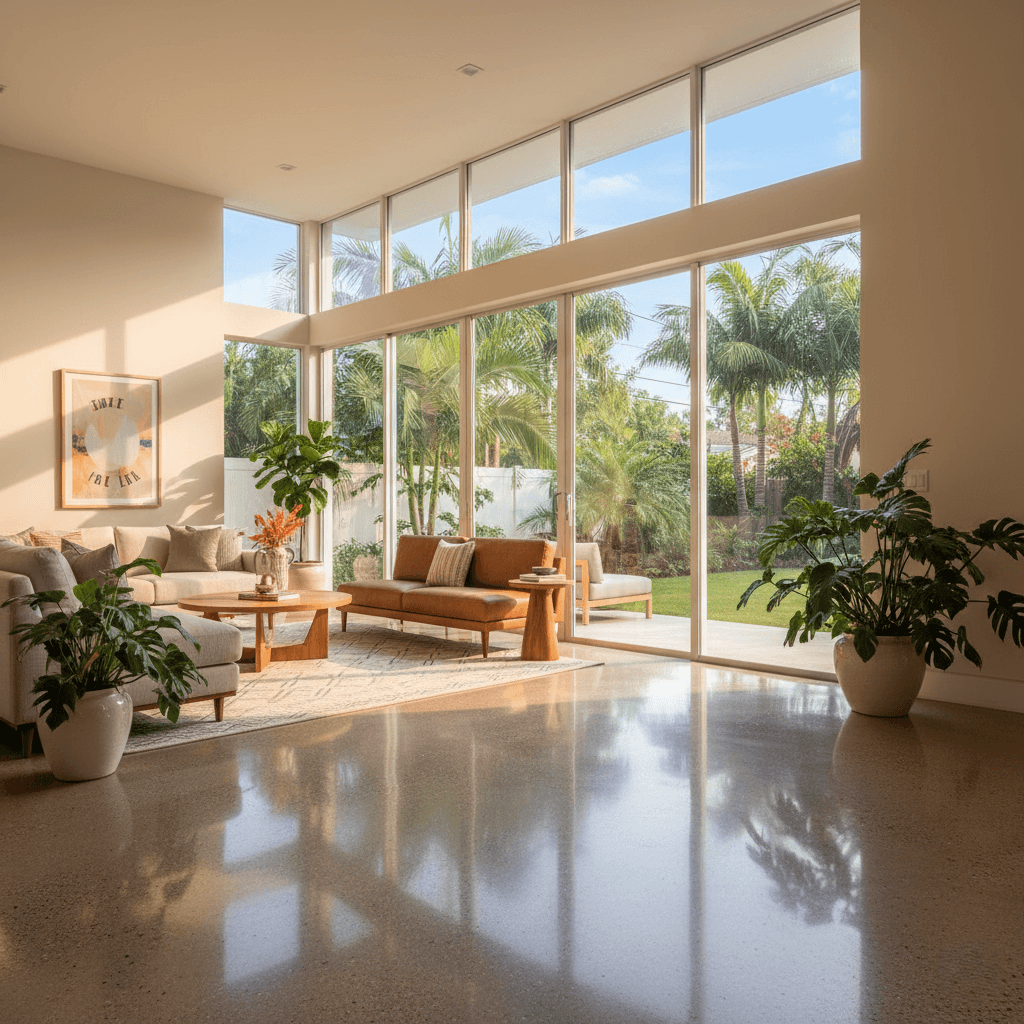
Surface finishing occurs while the overlay material is still workable. The typical broom finish provides slip resistance and a practical appearance that is suitable for most applications. The contractor uses a soft-bristled broom to create a textured appearance on the surface. The smooth trowel finish produces a sleek, modern look that is suited for pool decks or modern patios in the Bunche Park community or near the Palmetto Expressway.
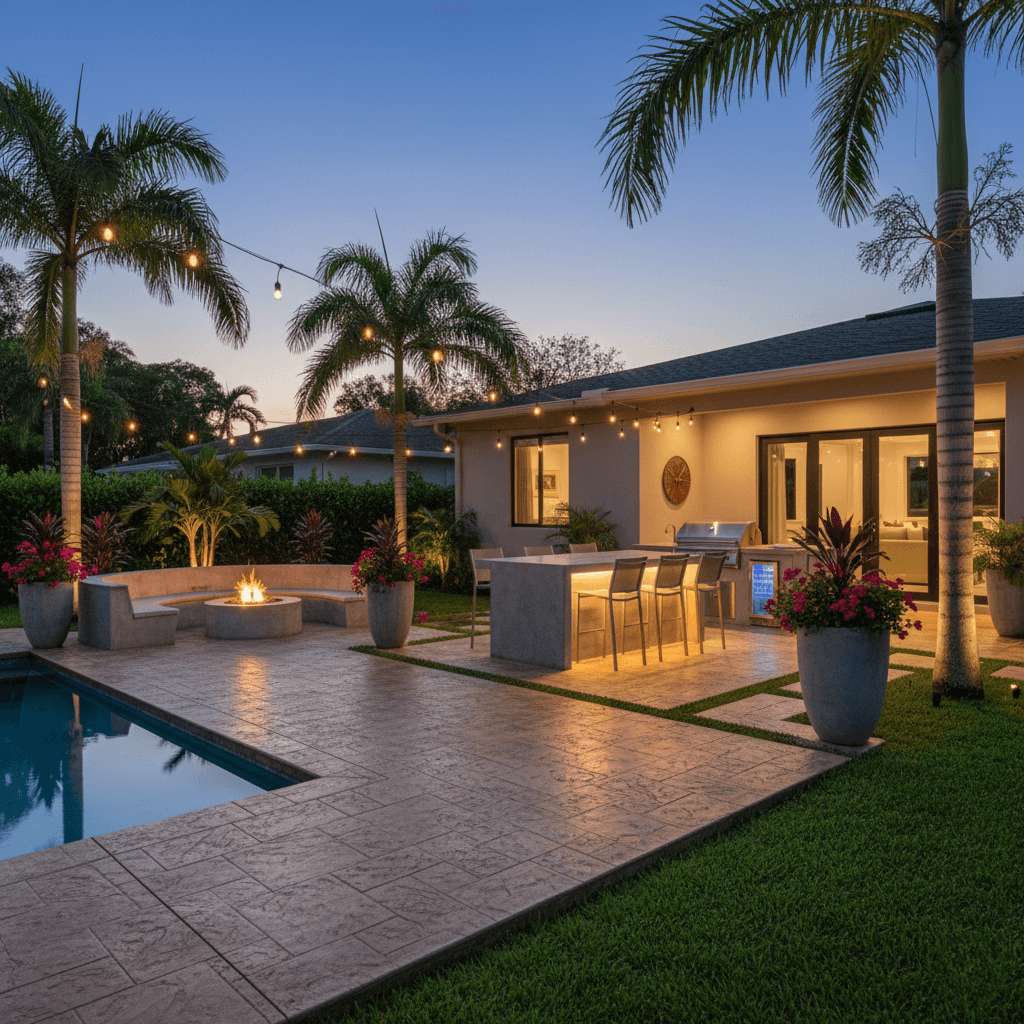
In addition to the various finishes available, decorative finishing options greatly increase the variety of possible designs. By using stamping techniques, the contractor can replicate a variety of natural stone, brick, tile, and wood-plank patterns. Color hardeners and stains allow for unlimited colors to match any design preference. These decorative options enable the homeowner to take a dull and unattractive surface and turn it into a visually pleasing focal point that increases the aesthetic and monetary value of the property.
Curing and Protection
It is essential that the overlay material cures properly in order to develop the maximum amount of strength and durability. Upon completion of the finishing operation, the contractor will apply a curing compound to the surface to slow down the rate of moisture loss. These compounds form a membrane on the surface of the concrete and permit the proper hydration of the cement, while preventing premature drying that can weaken the surface and lead to cracking. Some applications may also require periodic misting of the surface with water or covering with plastic sheeting to maintain the moisture content of the concrete during the early stages of curing.
Typically, resurfaced surfaces can withstand pedestrian traffic within 24 hours in average ambient conditions. Vehicle traffic usually requires 48 to 72 hours to develop sufficient strength before resuming. Curing of the overlay will continue over a period of several weeks, with continued development of strength. Sealant application typically takes place after the concrete has cured fully, approximately 28 days after the overlay was placed, to protect against future staining, moisture infiltration, and exposure to weather.
Comparison of Cost to Replacement
The financial aspects of restoring damaged material are a primary consideration for many homeowners. Concrete resurfacing provides a significant cost advantage over complete replacement while providing similar aesthetic enhancements. The cost of resurfacing varies from $3 to $7 per square foot, depending on materials and labor. The cost of replacement varies from $10 to $20 per square foot once demolition, removal of debris, new material, and labor are included.
There are many indirect costs that are eliminated through resurfacing, including disposal costs, shorter project durations, and minimized disruption to the property. Eliminating the disruption and mess associated with removing damaged material (e.g., jackhammering, hauling away debris, etc.) is especially beneficial for occupied properties where minimizing disruption preserves quality of life. Property owners in the Scott Lake area or near Rolling Oaks will appreciate the efficiency and cost control that resurfacing provides.
Realistic Long-Term Service Life
Although resurfacing is less expensive than replacing damaged concrete, the long-term service life of the overlay is essential to determine the true value of the restoration. Overlays properly installed will generally last 8 to 15 years, depending upon usage rates, quality of maintenance, and degree of exposure to weather. This service life far exceeds the cost of the restoration. Regular maintenance, such as cleaning the surface periodically and re-sealing every 2 to 3 years, will extend the service life of the overlay and maintain the appearance of the surface during the entire useful life of the overlay.
Aesthetic Restoration Opportunities
Concrete resurfacing offers tremendous opportunities for aesthetic restoration. Homeowners who are unhappy with the appearance of their plain gray concrete can select from a wide variety of color palettes, pattern options, and textures. These customization options will transform a dull and unappealing surface into a visually appealing feature that will add beauty and value to the property.
The color options for resurfacing extend well beyond the standard gray of concrete and include a wide range of earth tones, contemporary grays, warm terracotta hues, and custom color blends. Multiple colors can be applied to create depth and interest in the design, and can mimic the appearance of natural materials such as stone, brick, and wood. Additionally, the decorative stamping option allows homeowners to choose from a vast array of patterns to simulate flagstone, slate, cobblestone, brick, and wood planks. These decorative options were previously only available to homeowners willing to invest in expensive natural materials or individual pavers. Resurfacing provides the same visual impact at a fraction of the cost, while maintaining the structural integrity and continuity of the existing surface.
Increased Surface Durability
Resurfacing with advanced materials, such as polymer-modified portland cement, has provided superior durability and resistance to wear, staining, and weathering compared to standard concrete. The polymers incorporated in these advanced materials improve flexibility, enabling the overlays to accommodate minor movement in the substrate without cracking. Chemically-resistant pigments help prevent staining from oils, chemicals, and organic materials. UV-stabilized pigments prevent the fading commonly found with inferior coloring systems.
Resurfaced surfaces are easier to clean and maintain than deteriorated, aged concrete surfaces. The smooth, consistent texture of resurfaced surfaces prevents pores from forming that can trap dirt and facilitate staining. Simple detergent cleaning solutions can maintain the appearance of resurfaced surfaces.
Climate-Specific Performance
Miami-Dade County’s humid, subtropical climate presents unique challenges that quality resurfacing materials can address effectively. High humidity, intense UV radiation, frequent precipitation, and warm temperatures necessitate materials designed to perform in these conditions. Advanced resurfacing systems contain moisture barriers, UV stabilizers, and thermal expansion controls to ensure reliable performance in Miami Gardens’ extreme climate conditions.
Faster Project Completion
Project duration influences project scheduling and household disruption management. Resurfacing projects are typically complete in 1 to 3 days for residential applications, depending upon surface area and complexity. Compared to replacement projects that often consume weeks or months, resurfacing projects minimize disruption and inconvenience. Rapid completion of resurfacing projects enables homeowners to resume the use of their outdoor living spaces quickly. Most foot traffic can resume within 24 hours, and most activities can occur within 2 to 3 days. For busy households or properties hosting events, rapid project completion is highly desirable.
Environmental Benefits
Homeowners concerned with sustainability are pleased that resurfacing conserves materials and reduces waste relative to replacement. Resurfacing leaves existing concrete in place, thus eliminating demolition debris sent to landfills. Reducing the amount of materials extracted and processed decreases the environmental impact of cement manufacturing, a major source of greenhouse gas emissions. Reducing transportation requirements and energy consumption also benefits resurfacing.
Additionally, extending the service life of resurfaced concrete surfaces delays the need for replacement, resulting in long-term reductions in resource extraction and processing. Maximizing the number of resurfacing cycles over the life of a concrete surface maximizes the value obtained from original material investments, while minimizing long-term disposal and replacement impacts. These environmental benefits align with increasing awareness and concern regarding sustainable construction practices and responsible resource stewardship.
Understanding Limitations
While resurfacing has many benefits, it is essential to understand the limitations of resurfacing to avoid unrealistic expectations and incorrect applications. Resurfacing cannot repair structural damage, including significant cracking from settlement, active movement, or improper base preparation. Surfaces experiencing significant settlement, heaving, or deterioration of the substrate require addressing the underlying issue(s) prior to resurfacing becoming a viable option.
Resurfacing bonds to existing surfaces, but cannot stop problems originating from below. Improperly attempting to resurface compromised concrete will waste resources and lead to premature failure. Only honest assessments by professionals will determine if a surface qualifies for resurfacing. Sometimes, repairing or replacing the foundation of a structure, or replacing the damaged portion of a structure, may be the only option to address the problem, regardless of the increased costs.
Importance of Professional Installation
Quality results depend on experienced contractors who have a clear understanding of proper techniques, materials, and application methods for resurfacing. Preparation of the surface requires specialized equipment and knowledge of cleaning, profiling, and repairing techniques. Preparation of the material requires precision, and the application techniques will affect the final appearance and performance of the resurfaced surface. Time is also a factor, since the overlay material has a short working window before it hardens.
Experienced contractors have the knowledge gained from years of completing projects. They know how Miami Gardens’ climate affects the performance of materials, proper curing requirements, and finishing techniques to achieve the desired outcome. The equipment and tool investments made by contractors, including pressure washers, mixers, specialized trowels, and finishing tools, enable them to efficiently complete high-quality work. The value of professional services usually justifies the difference in price between hiring a professional and doing the job yourself.
Making Informed Decisions
To determine if resurfacing is suitable for a particular situation, you must consider several factors, including the current condition of the surface, budget constraints, aesthetic desires, and time requirements. Surfaces that display mostly cosmetic flaws with sound underlying structure are ideal candidates for resurfacing. Those with limited budgets will find that resurfacing provides a cost-effective alternative to replace damaged material while obtaining considerable improvements. Those who desire decorative enhancements will find resurfacing offers great design flexibility.
Those whose surfaces exhibit major structural problems, active cracking, or significant settling will require alternative solutions. Old concrete nearing the end of its service life may be a candidate for replacement rather than investing in resurfacing or a temporary solution. Consulting with qualified professionals will provide you with an objective assessment and recommendation based on your individual situation.
Miami Gardens Concrete Pros has extensive experience evaluating concrete conditions and recommending optimal restoration strategies for the unique challenges presented by the Miami Gardens’ climate. We utilize proven resurfacing methods that produce long-term results. From the initial inspection through the final seal coat, we manage every detail of the resurfacing process with an emphasis on quality and customer satisfaction that transforms unsightly surfaces into attractive, durable features that will enhance the aesthetic and monetary value of your property for years to come.
LATEST POSTS